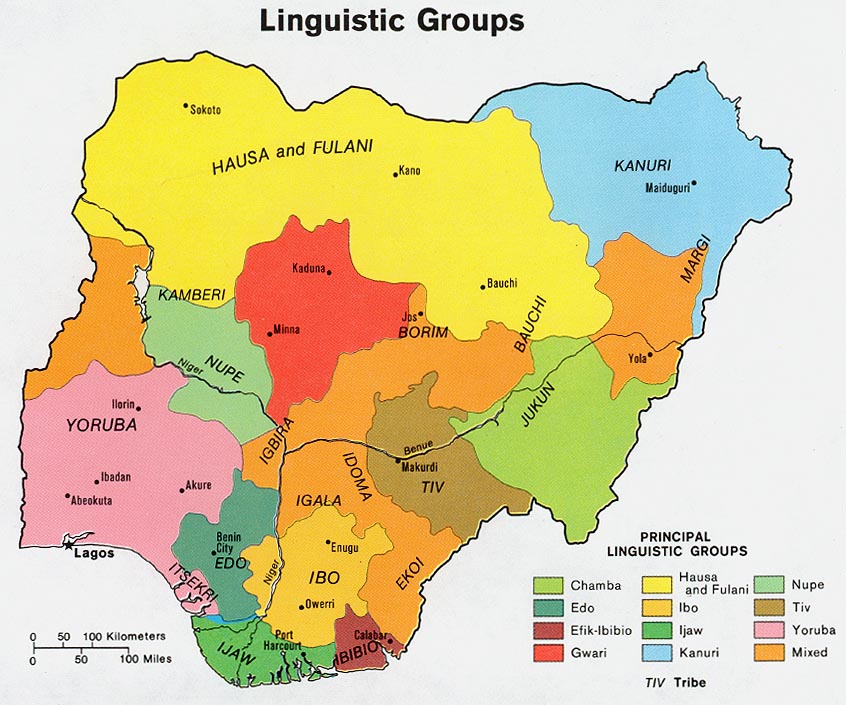
The Ubaghara are an ethnic group living primarily in Cross River State in southeastern Nigeria, especially in Biase and Akamkpa Local Government Areas. They are part of the broader Upper Cross River cultural and linguistic communities of the region. Their language, Ubaghara, belongs to the Upper Cross branch of the Niger-Congo language family and includes several dialects such as Biakpan, Ikun, Etono, Ugbem, and Utuma. Many Ubaghara people also speak Efik interchangeably because of historical interaction and trade connections with neighboring peoples.
The Ubaghara trace part of their historical identity to migration traditions connected to the historic Efik expansion throughout the Cross River region. Oral traditions and clan memory remain important in preserving their history, social structure, and identity. Villages such as Biakpan serve as important cultural centers within the wider Ubaghara community.
Like many peoples of southeastern Nigeria, the Ubaghara developed within a region shaped by river trade, farming settlements, kinship systems, and interaction with neighboring ethnic groups. Traditional authority structures, family lineage, and village leadership continue to influence community life even as modernization and migration increasingly affect younger generations.
Christianity has had a strong presence among the Ubaghara for many years, yet traditional spiritual beliefs and syncretistic practices still influence some communities. There remains a need for deeper biblical discipleship and spiritually mature churches rooted firmly in Scripture.
Most Ubaghara families live in rural communities where farming forms the center of daily life. Crops such as cassava, yam, maize, cocoyam, and vegetables are commonly grown for household use and local trade. Fishing, hunting, and small-scale trading also contribute to family income, especially in riverine areas of Cross River State.
Family and clan relationships remain very important within Ubaghara society. Elders are respected as guardians of tradition and mediators in community matters. Marriage, inheritance, and leadership are often strongly connected to extended family structures and village customs.
Food commonly includes cassava-based meals, yam, soups prepared with fish or meat, palm oil dishes, vegetables, and local spices typical of southeastern Nigeria. Hospitality is highly valued, and festivals, weddings, funerals, and community celebrations remain important occasions for strengthening family and village ties.
Traditional music, storytelling, dance, and oral history continue to preserve cultural memory across generations. Drumming and ceremonial performances are often part of important social gatherings and celebrations.
The Ubaghara are predominantly Christian, with many identifying with Catholic, Protestant, Pentecostal, or independent church traditions. Christianity has shaped much of community life, moral teaching, and public worship for generations.
At the same time, some traditional religious beliefs and practices continue to influence parts of Ubaghara society. Fear of curses, witchcraft, ancestral influence, and harmful spiritual powers may still affect decision-making and religious practice in some communities. Traditional rituals and cultural ceremonies connected to protection, healing, fertility, or family lineage may exist alongside Christian identity.
This mixture of Christianity with traditional spiritual practices creates syncretism in some areas. Although many people identify as Christians, there remains a strong need for biblical discipleship, spiritual maturity, and clear teaching concerning salvation through Jesus Christ alone.
Some Scripture portions and Christian audio resources are available in the Ubaghara language, helping make biblical teaching more accessible to local communities.
The Ubaghara need continued access to faithful biblical teaching, discipleship, and spiritually mature churches grounded firmly in Scripture. Many communities would benefit from stronger leadership training, youth discipleship, and biblical teaching that addresses syncretistic beliefs and spiritual fear.
Like many rural Nigerian communities, the Ubaghara face challenges related to unemployment, healthcare access, educational opportunity, and infrastructure development. Younger generations increasingly migrate toward larger towns and cities seeking education and employment, creating tension between preserving traditional identity and adapting to modern urban life.
Practical needs are also important. Some Ubaghara communities face poverty, limited healthcare access, weak infrastructure, unemployment, and educational challenges. Rural villages may especially struggle with transportation difficulties and economic instability.
The Ubaghara would benefit from literacy programs, audio Bible resources, medical outreach, vocational assistance, and strong local churches committed to long-term discipleship and community ministry.
Pray that the Ubaghara people would grow in a clear biblical understanding of salvation through Jesus Christ alone and reject all syncretistic spiritual practices.
Pray that God would strengthen pastors, church leaders, and believers among the Ubaghara so they remain faithful to the truth of Scripture.
Pray that Ubaghara believers would be called and thrust out as Christ's ambassadors to Muslim peoples in the north.
Scripture Prayers for the Ubaghara in Nigeria.
https://en.wikipedia.org/wiki/Ubaghara_language
https://glottolog.org/resource/languoid/id/ubag1245
https://www.ethnologue.com/language/byc/
https://globalrecordings.net/en/language/byc
https://megavoice.com/media-cloud/m016604-good-news-and-songs-byc-ubaghara-audio-bible/
https://en.wikipedia.org/wiki/Cross_River_State
| Profile Source: Joshua Project |